Julmust- A classic of Swedish Christmas drink
Julmust is a must try Christmas drink! Swedes are obsessed with this dark coloured, rather sweet soda that tastes like a mixture of Coca cola and root beer. It starts filling supermarkets as early as November. Research reveals nothing; this recipe is a heavily guarded secret. And, expect to see it again during Easter! There seems to be no shame at all in rebranding this drink whatever the time of year!
Created by Swedish chemist Harry Roberts in the early 20th century as a non-alcoholic alternative to beer, it gained popularity when the sale of alcohol was rationed in the 1920s.
Swedes drink about 40 litres per person per year. In fact Julmust is drunk so much during Christmas that Coca-Cola’s sales may drop as much as fifty percent during Christmas. So the big question for newbies is, of course – is it worth trying? Well, if these statistics are anything to go by, then YES!
Julmust is one of the most well-known examples of Swedish Christmas food and drink.
Glögg- Traditional Swedish Christmas drink
Love it or hate it, this spiced, usually alcoholic, warm mulled wine is always served around Christmas in Sweden. As a result, glögg is one of the most recognisable examples of Swedish Christmas food and drink. Today, people associate glögg with Christmas, but this hasn’t always been the case. Glödgat vin was first introduced by our German friends as early as 1610. The name means ‘glowing ember’.
Blossa is the best selling glögg brand in Sweden. Traditional and new versions with more modern twists are available both with and without alcohol. Blossa releases a new annual flavour every year and there have been some wild and wonderful flavours over the years such as Lingonberry and Juniper (2006) Lavender (2014) Earl grey (2015) Limoncello (2018).
If you are looking to make your own glögg this year, try our much-loved newbie recipe. Warm all the ingredients in a pan, strain through a sieve and serve in a glögg mug. Easy to make and even easier to drink!
- 750ml dry red wine
- Brandy 75ml
- Honey 100g
- 2 cinnamon sticks
- 4 cardamom pods
- 3 cloves
- Zest of 1 orange
Pepparkakor
Bakeries, cafés and supermarkets are brimming with super-Christmassy, mouth-watering baked goods and pepparkakor (ginger bread cookies) are a strong participant during Christmas. You can buy them, bake them or compete with them. There is for instance the annual gingerbread house building competition.
Practice makes perfect, so today we’d like to treat you to one of our tried-and-tested recipes for pepparkakor, these spicy, clove scented cookies will bring Christmas to your kitchen!
Ingredients for a Swedish Christmas cookie
- 150 gr of butter
- 250 gr of white sugar
- 50 gr of honey
- 100 ml of water
- 450 grams of all-purpose flour
- A teaspoon of cinnamon and a teaspoon of ground cloves
- 1 large teaspoon of ginger
- A teaspoon of cardamom
- A teaspoon of baking powder
How to bake pepparkakor
Mix the butter, granulated sugar and honey. Add the seasoning and water. Finally add the flour. Knead the dough well and let it rest overnight in the refrigerator. Sprinkle a little flour on the work surface and roll out the dough until it is about half a centimetre thick. Now you can use heart or star shape cutters, whatever you decide.
Preheat the oven to 200°C and let the cookies bake for five minutes. Cool on a wire rack and keep in a sealed tin.
Janssons frestelse- a traditional Swedish Christmas dish
Janssons frestelse is a favourite on the julbord. Key ingredients are potatoes, onions, pickled sprats, breadcrumbs and cream. Without question, this classic always features on a Swedish julbord, cookbooks first published the recipe in 1940 although it is suggested that it was named after a food-loving opera singer called Mr Jansson in the early 1900’s. Whatever its history it’s as popular today as ever.
Your shopping list for a traditional Swedish Christmas dish
- 450g floury potatoes
- 1 onion
- 1 small tin of anchovies (spice-cured sprats) This is the game changing ingredient, although our advice is to keep this a secret until your guests have tried the dish, it can sound a little off putting- but trust us, once its cooked nobody will suspect anything!!
- 150ml whipping cream
- Breadcrumbs, butter and salt and pepper
Let’s get cooking
- Preheat your oven to around 220 c.
- Peel your potatoes and cut into thin discs or strips, whichever you prefer.
- Peel your onion, slice thinly and fry lightly in some butter to soften.
- Drain the brine from the ansjovis and mix with cream. Cut your anchovies into small pieces.
- Grease an oven proof baking dish and layer potatoes, onions and anchovies. Season with every layer.
- Finally pour over your cream, spiced brine mixture, sprinkle with breadcrumbs and dot the surface with small pieces of butter.
- Bake for 60-75 mins
Here is a link to a recipe at Ica with a lovely image plus instructions.
Nubbe
Nubbe is (for good and bad) a strong part of Swedish holidays.’Tis the season to socialise, so a little tipple here and there is hard to avoid during this festive period. We’ve talked about the popularity of Glögg, but some Swedes like to drink to Christmas with something a little bit stronger.
We are possibly more familiar with the name snaps. You can get nubbe in many tastes and forms. But Svenska nubbar are a collection of spiced aquavit or snaps. Why choose between Halland’s Fläder; Herr Gårds or Skåne aquavit when with this special pack, you can test them all! People often serve a small shot of snaps (or two) alongside beer and it’s a very ‘Swedish’ pastime whilst sitting around the Christmas table with family and friends.
Our advice to all of you newbies would be to swot up on your “snapsvisor”(drinking songs!) It’s crucial on these occasions that you can cheerfully sing along in celebration with your fellow Swedes. A nubbe is not a nubbe unless accompanied by a Swedish drinking song.
If you are only going to learn one snapsvisa this year, the most classic of all is known as ‘Hej tomtegubbar’ Listen here and sing along!
Hej, tomtegubbar,slå i glassen och låt oss lustiga vara!
Hej, tomtegubbar, slå i glassen och låt oss lustga vara!
En liten tid vi leva här, med mycket möda och stort besvår.
Hej, tomtegubbar, slå i glasen och låt oss lustiga vara!
The lyrics roughly translate to “Life is hard and short, so let’s get drunk!”
Have fun! Drink in moderation, but celebrate like a Swede…..Skål!
Julgodis- a classic Swedish Christmas treat
Christmas just isn’t Christmas without Christmas candy! Throughout the year, as a rule many, Swedish children are only allowed to eat candy one day per week. Hence the tradition of “lördagsgodis” Saturday sweets.
However, when it comes to the Christmas holiday period, these guidelines are firmly put to one side. Check out our list of some of the most yummy julgodis you can bake or buy in your local supermarket.
Many julgodis to choose from
- Knäck (Christmas toffee. Can be made in so many mouth-watering flavours, liquorice, lime, orange, saffron, cinnamon, baileys
- Ischoklad – super easy to make and as there are only 3 ingredients
- Smörkola (chewy caramel sweets)
- Marmeladgodis (cubed marmalade sweets)
- Brända mandlar (sugar coated almonds)
- Mjuk pepparkaka (soft gingerbread cake)
- Chokladdoppade clementiner (clementine dipped in chocolate)
- Juliga kolasnittar (saffron caramel cookies)
- Marsipanfigurer (marzipan figurines)
- Kanderade äpplen (candied apples)
- Polkagrisar (candy canes)
- And one of our newbie favourites – Skumtomtar or Julskum. Every year a limited edition is released, for fans of julskum the excitement and speculation are just part of the Christmas build up!!
Julskinka- The centerpiece of Swedish Christmas food
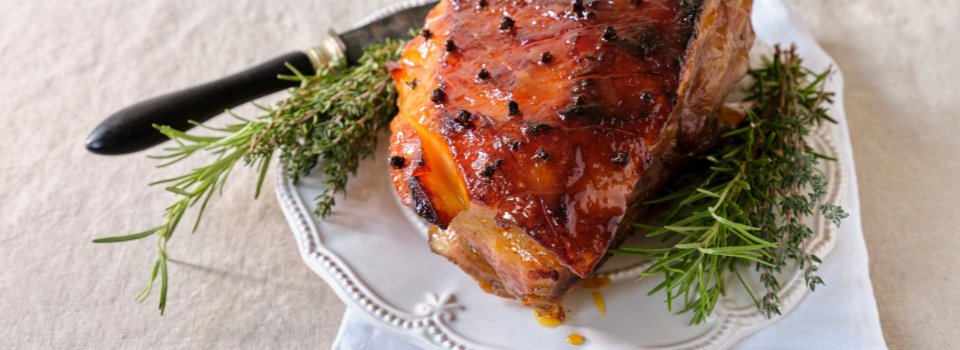
The star of the Swedish julbord has to be the Christmas ham. It’s been a tradition since the 19th century for farmers to start fattening their pigs for Christmas in the summer. The whole pig, once slaughtered, was utilised and, with limited refrigeration, the old methods such as preserving with salt were popular. Sausages, meatballs even blood pudding came from the Christmas pig.
Aside from the ham there are a few traditional delicacies that still show up on julbord today.
- Pigs’ feet (grisfötter) are salted pigs’ trotters are simmered for several hours until tender and eaten off the bone. If that doesn’t appeal you can try them served in aspic or how about jellied pigs’ feet?
- Dopp i grytan is the broth in which the meat is cooked. Dipping bread in the pot was a tradition so widespread that Christmas Eve was often called “dopparedagen” or dipping day!!
- Ribs were readily available and were a tasty addition to the Christmas table, sometimes still are today.
These days julskinka is considered an indispensable part of the julsmorgåsbord. Delicious, moist and tender, the ham is coated in mustard, egg yolks and breadcrumbs and oven baked to perfection. Check out this julskinka recipe.
It’s possible to buy it cooked from any Swedish supermarket. But we suggest cooking your own and filling your home with the unmistakable aroma of warm spices. Undeniably Christmassy.
I hope you find this list of Swedish Christmas food and drink useful and helpful. Even if you have your own food and drink traditions, perhaps including one or two of these Swedish Christmas food and drink, can be just what you need to get into the Christmas spirit even when far from home.
Further reading
.