
Sweden has a reputation for being an expensive country, and for many newcomers, the first grocery bill, utility payment, or restaurant visit can come as a surprise. While some everyday costs may be…
Sweden has a reputation for being an expensive country, and for many newcomers, the first grocery bill, utility payment, or restaurant visit can come as a surprise. While some everyday costs may be higher than expected, there are also plenty of opportunities to save money once you understand how things work.
From second-hand shopping and supermarket discounts to Sweden’s deposit-return system and free access to nature, small changes in daily habits can make a noticeable difference. This guide brings together practical ways to reduce your expenses while still enjoying life in Sweden.
1. Start with a realistic monthly budget
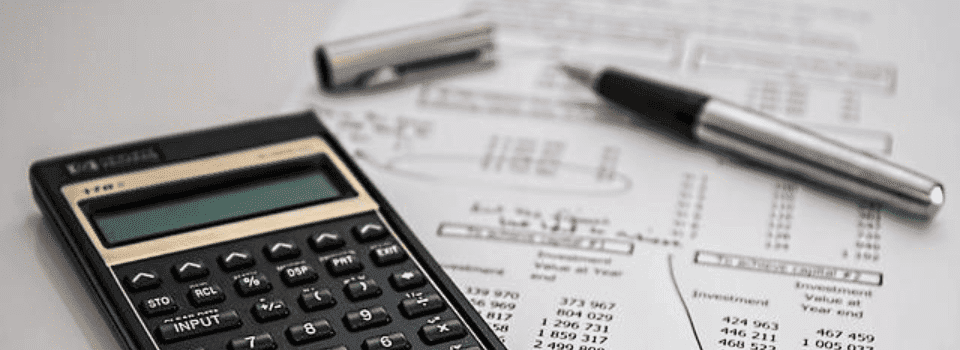
Before looking for individual savings, it helps to understand where your money is going. Write down your income after tax, fixed expenses, and everyday spending. Housing, transport, food, insurance, subscriptions and leisure costs can quickly add up. The Swedish Consumer Agency, Konsumentverket, offers a free Budget Calculator and publishes estimated household costs for different household sizes. The figures are intended as guidance, not as a record of what every household actually spends. Remember to add costs that vary greatly between households, including housing and transport.
2. Compare supermarket prices and plan your meals
Food prices vary between supermarkets, product ranges and weekly promotions. Compare nearby stores, check weekly offers and look at the price per kilogram or litre rather than only the shelf price. Most supermarket chains also sell own-brand products. These can be good value, but they are not automatically the cheapest option. Planning several meals before shopping makes it easier to use what you buy and avoid expensive last-minute purchases.
3. Look for reduced-price food
Many supermarkets discount food approaching its best-before or use-by date. These items are often identified with coloured stickers or placed in a separate section. Check which type of date is shown. A best-before date primarily concerns quality, while a use-by date concerns safety. Buying reduced food that you can use immediately or freeze can lower your grocery bill and reduce food waste.
4. Use loyalty programmes thoughtfully
Major Swedish supermarket chains offer membership programmes with discounts, bonus points or personalised offers. Membership is often free, although conditions vary. A member price is not necessarily the lowest available price. Compare the final cost with other products and shops, and avoid purchasing something only because it is presented as a special offer.
5. Bring lunch from home
Buying lunch out regularly can become a significant monthly expense. Bringing a homemade lunch, known as a matlåda, is common in Swedish workplaces, many of which provide refrigerators, microwaves, and lunch areas. Cook an extra portion in the evening and save it for the following day. It is a simple way to reduce both food costs and food waste.
6. Use Sweden’s deposit-return system
Most aluminium cans and PET drink bottles included in Sweden’s deposit system carry a deposit symbol and an amount. You pay the deposit when buying the drink and receive it back when returning the empty container. Pantamera reports that more than 3,100 Swedish stores have at least one deposit machine. Sweden is transitioning to higher deposit levels, which means that containers with different amounts may be in circulation. Check the amount printed on each can or bottle.
7. Drink cold tap water
In homes connected to a public water supply, cold tap water is intended to be safe to drink. The supplier is responsible for ensuring that it does not contain bacteria or substances that could harm health. Only cold tap water is controlled as drinking water. If you use a private well, you are responsible for checking the water quality. Always follow temporary local instructions about water quality or boiling water.
8. Buy second-hand, but know your rights
Second-hand shopping is widely available in Sweden. Furniture, clothing, bicycles, kitchenware and household equipment can be found through charity shops, flea markets and online marketplaces such as Blocket, Tradera and Facebook Marketplace. Your legal protection depends on who sells the item. Consumer legislation applies when you buy from a company. When buying from a private individual, your protection is more limited, so inspect the item carefully and agree on its condition and the terms before paying
9. Compare prices before larger purchases
Prices for electronics, appliances, furniture and other larger purchases can vary between retailers. Swedish comparison services such as Prisjakt can help you compare products and prices. Look beyond the headline price. Delivery costs, payment fees, warranties and return conditions can affect the total. For products you expect to keep for several years, repairability and access to replacement parts may also matter.
10. Choose transport based on your actual needs
Walking and cycling can reduce costs for shorter journeys, but conditions vary between municipalities. Check local cycle routes, winter maintenance and traffic safety before relying on a bicycle for everyday travel. If you use public transport, compare single tickets, multi-trip options and period passes from your regional provider. A monthly pass is not automatically the cheapest choice if you work from home or commute only a few days per week.
11. Make the most of your local library
Swedish public libraries provide access to books and other resources without requiring you to buy everything yourself. Services vary between municipalities and may include newspapers, digital media, language learning resources, activities and study spaces. Check your municipality’s website for local services, library-card requirements and opening hours.
12. Enjoy Sweden’s nature responsibly
Sweden’s Right of Public Access, Allemansrätten, makes many low-cost outdoor activities possible. You may walk, cycle and spend time in much of the countryside, provided that you respect nature, wildlife, landowners and other visitors. You may generally pick wild berries and mushrooms, but the right does not apply to private gardens, cultivated land or the area closest to someone’s home. National parks and nature reserves may have additional local rules. The guiding principle is simple: do not disturb and do not destroy.
13. Review subscriptions and recurring expenses
Small monthly charges are easy to overlook. Review your bank statements for streaming services, apps, gym memberships, insurance policies, and mobile or broadband contracts that you no longer use. Compare the annual cost, not only the monthly fee. Before cancelling, check the notice period and whether the agreement has a fixed term.
Final thoughts
Living in Sweden can feel expensive at first, especially when you are new to the country and still learning how everyday systems work. However, many effective ways to save money are already part of daily life in Sweden. Using public libraries, returning bottles and cans, shopping second-hand, bringing lunch to work, and spending time in nature can reduce expenses while helping you settle into your new surroundings. The aim is not to cut every cost. It is to understand where your money goes, spend consciously, and make the most of the opportunities available.

Written by
Hayu Hamemayu is a Lund-based freelance writer whose work has appeared in The Jakarta Post, Media Indonesia, Kompas, Majalah Kartini, and Indonesia Travel Magazine among others. A traveller mommy by nature and random thinker by inclination, she keeps memories in her Instagram @hayuhamemayu and writes her everyday stories in her blog .
Comments
6 responses to “How to Save Money in Sweden”
Aya
Amazing
Kamilla
Very good advices)
Thuva
A good way to save money
Saman
love it
Babar Rahim
Good advice for every citizen specially for those who work more than fulltime just to survive.
Dalshad Alahmed
very nice
Comments are closed.