Pumpkins, costumes and trick-or-treating now have a place in the Swedish autumn, but they share the season with a quieter tradition of candles and remembrance.
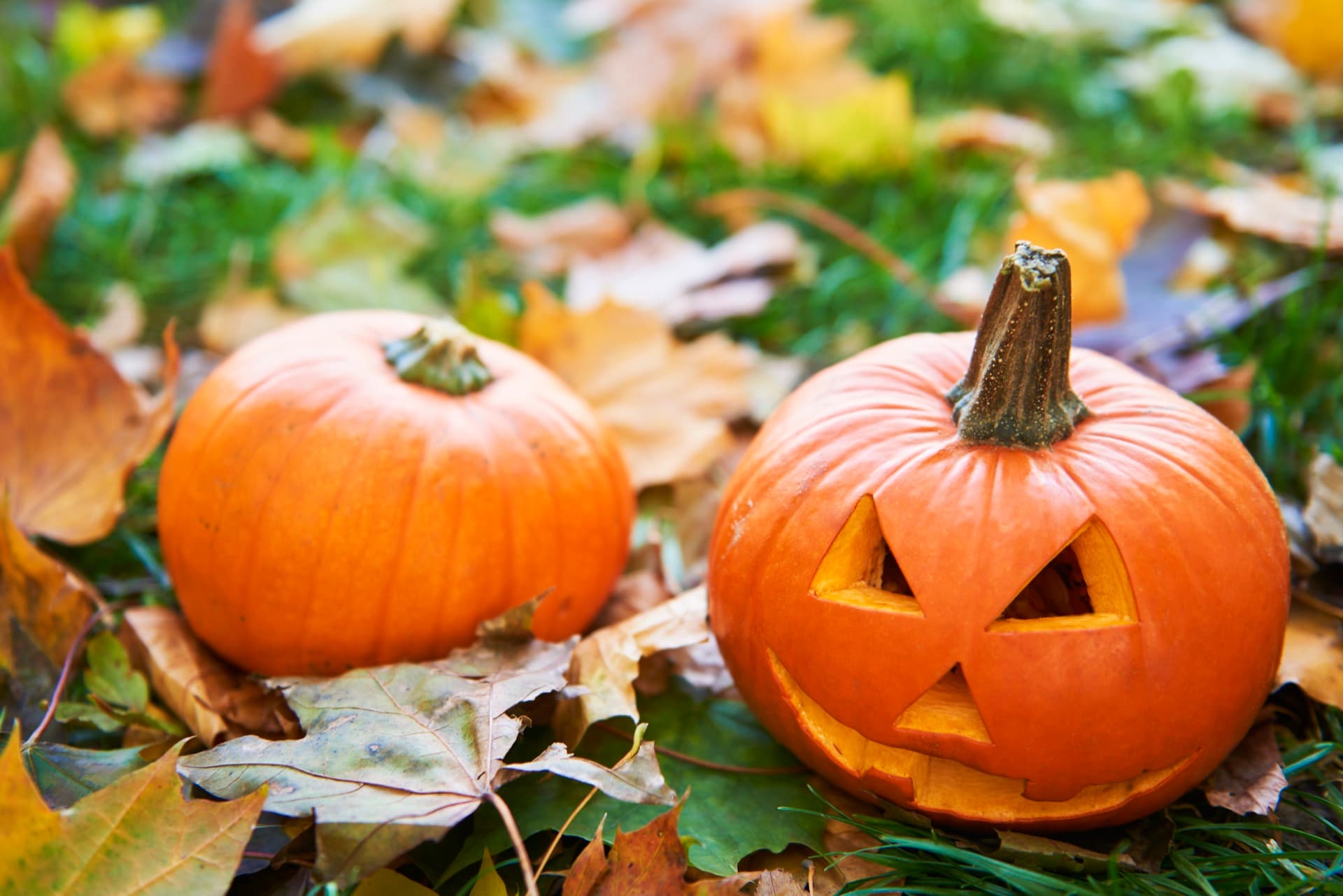
Pumpkins, costumes and trick-or-treating now have a place in the Swedish autumn, but they share the season with a quieter tradition of candles and remembrance.
If you are new to Sweden, October can feel a little confusing. Shops fill with pumpkins and fake cobwebs; children start talking about costumes, and Halloween events appear around the country. Then, often within the same week, Swedish cemeteries glow with thousands of candles.
These are two different occasions. Halloween is a comparatively recent arrival in Sweden, while All Saints' Day, or Alla helgons dag, is a long-established time for remembering people who have died. Knowing the difference makes both traditions easier to understand.
Halloween in Sweden at a Glance
- Halloween falls on 31 October.
- It became widely established in Sweden during the 1990s.
- Trick-or-treating exists, but it is less widespread than in the United States.
- All Saints' Day falls on the Saturday between 31 October and 6 November.
- During All Saints' weekend, many people visit cemeteries and light candles for loved ones.
How Halloween Found Its Way to Sweden
Halloween is not an old Swedish tradition. It began to attract attention in the late 1980s and became much more familiar during the 1990s, helped by American films and television as well as promotion by shops, restaurants and entertainment venues.
Today it is a recognisable part of the autumn, particularly for children, families and young adults. Even so, it does not have the same place in the Swedish calendar as Christmas, Easter or Midsummer. Some people celebrate enthusiastically, while others barely notice it.
When Do People Celebrate?
Halloween itself is always on 31 October. In practice, Swedish celebrations do not always stay neatly on that date. Parties, school activities and public events may take place during the autumn school holiday or on the closest weekend.
That flexible timing is useful for families, but it can also cause confusion because All Saints' Day falls around the same time. The two occasions may sit next to each other in the calendar, but they have very different moods and meanings.
What Halloween Looks Like in Sweden
In the weeks before Halloween, supermarkets and shopping centres sell pumpkins, sweets, costumes and decorations. Restaurants and amusement parks may run themed events, while schools and preschools sometimes arrange costume days or other activities.
You are likely to see:
- Costume parties
- Pumpkin carving
- Haunted houses and themed events
- Trick-or-treating in some neighbourhoods
- Halloween activities at schools and preschools
- Seasonal events at amusement parks
Children often dress as witches, ghosts, skeletons or favourite characters from films and games. Liseberg in Gothenburg and Gröna Lund in Stockholm are among the attractions that organise Halloween events.
Will Children Knock on Your Door?
They might, but there is no single Swedish rule. In some neighbourhoods, groups of children go from door to door asking for sweets. In others, hardly anyone does.
Families often stay within their own area or visit homes where they know Halloween is welcome. If you have children, it is worth asking neighbours, your preschool or your child's school what people usually do locally. And if nobody rings your doorbell on 31 October, that is perfectly normal too.
All Saints' Day: A Different Kind of Tradition
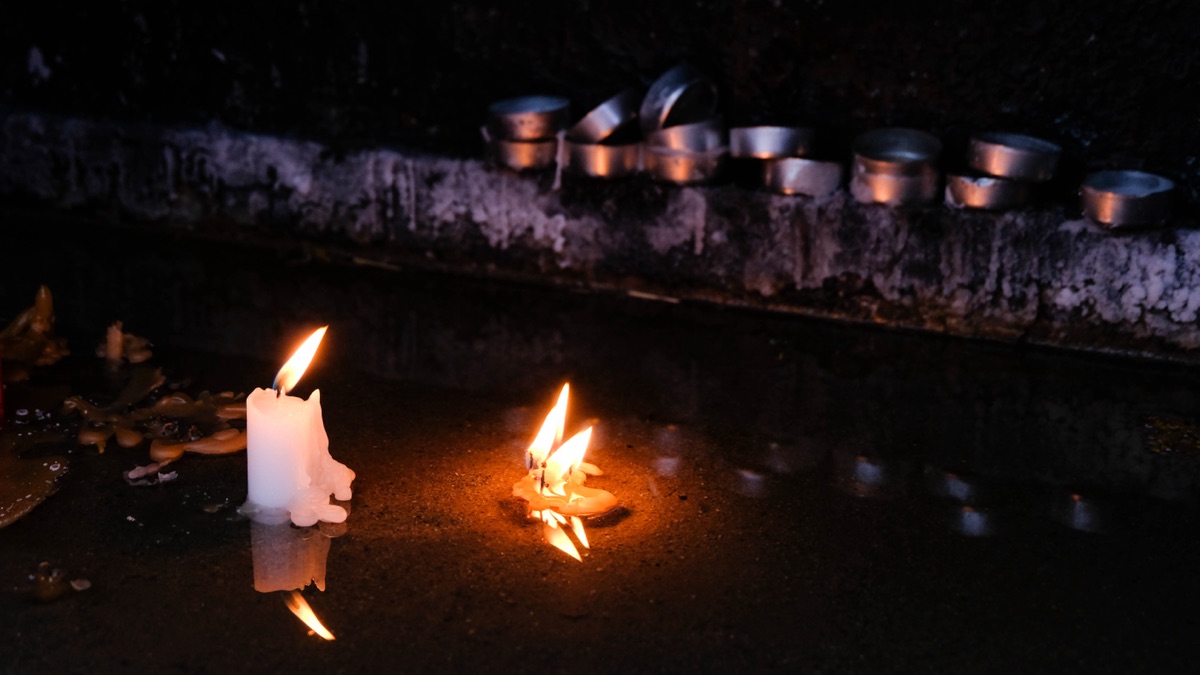
All Saints' Day, Alla helgons dag, is observed on the Saturday between 31 October and 6 November. For many families, the weekend is a time to remember relatives and friends who have died.
People visit cemeteries, place flowers on graves and light candles. After dark, the candlelit cemeteries create a calm and striking scene across the country. The atmosphere is reflective rather than festive.
The holiday has existed in different forms for centuries and has been observed on its current Saturday since 1953. The now-familiar custom of lighting candles on graves became more common during the 20th century and spread widely after the Second World War.
Visiting a Cemetery During All Saints' Weekend
You do not need to have a relative buried there to visit a cemetery during All Saints' weekend. Many newcomers choose to go simply to experience the tradition.
Visitors are welcome, but the setting should be treated with care. Walk quietly, give grieving families space and avoid turning the visit into a photo opportunity. For many people around you, this is a personal moment of remembrance.
Sweden and the United States: What Is Different?
Swedish Halloween has clearly borrowed from the American version, but it is generally smaller and less uniform. In the United States, whole neighbourhoods may take part in trick-or-treating and decorate their homes extensively. In Sweden, participation varies much more from one street or family to another.
Compared with the United States, you can generally expect:
- Fewer heavily decorated homes
- Less widespread trick-or-treating
- More variation between neighbourhoods
- A stronger focus on parties and organised events
- All Saints' Day taking place alongside Halloween
And What About the Rest of Europe?
Sweden is part of a wider European shift in which Halloween has grown more visible in recent decades. The details vary from country to country, and older local or religious observances still shape the season in many places.
In Sweden, what stands out is the contrast between the playful side of Halloween and the quiet candle-lighting tradition of All Saints' weekend. Experiencing both gives a more complete picture of Swedish autumn life.
A Useful Tip for Newcomers
If you are celebrating with children, check what happens locally rather than assuming the evening will work as it does in your home country. A quick conversation with neighbours or other parents can tell you whether children usually go trick-or-treating, which evening they choose and whether there are organised activities nearby.
It is also worth visiting a local cemetery during All Saints' weekend. You will see a side of Swedish culture that is quieter than Halloween, but deeply meaningful to many families.
Two Traditions, One Swedish Autumn
Halloween and All Saints' Day sit close together in the calendar, but they serve different purposes. One brings costumes, sweets and seasonal fun. The other creates space for remembrance.
Together, they show how Sweden often makes room for something new without losing what was already there. For international residents, that mix is one of the most interesting parts of experiencing autumn in Sweden.
- Swedish Culture - Unexpected Cultural Norms
- Living in Sweden - Surprising Things Every Newbie Should Know
- 5 Tips for Moving to Sweden with Kids
- Christmas and Advent Traditions in Sweden Explained
Sources
Information in this article is based on material from:

Written by
Karin is an experienced recruiter with a background in the telecommunications industry. She has expertise in recruitment, risk management, resource management, conflict management, and aviation psychology. She holds a Master of Arts (MA) in Social Science Education from Stockholm University and is a certified teacher in Psychology and Political Science. At Career Sweden, she supports individuals in navigating the Swedish labour market.