
A well-stocked medicine cabinet isn’t just about convenience – it’s a real lifesaver when you need it. Imagine trying to find essentials like paracetamol suppositories during a supply shortage or needing medicine while a snowstorm’s raging outside. Sometimes you’re simply too sick
Disclaimer: To keep The Newbie Guide free, we use affiliate links (marked with *) and may get a commission if you click and buy using these links. This does not affect our opinions and our writers always recommend their best for your Swedish experience.
A well-stocked medicine cabinet isn’t just about convenience – it’s a real lifesaver when you need it. Imagine trying to find essentials like paracetamol suppositories during a supply shortage or needing medicine while a snowstorm’s raging outside. Sometimes you’re simply too sick to even think about heading to the pharmacy. Having your own home pharmacy on hand means you’re covered no matter what, and it’s one less worry when things go sideways. Here’s a comprehensive list of everything you need to properly stock your medicine cabinet ahead of this year’s cold season!
First aid kit
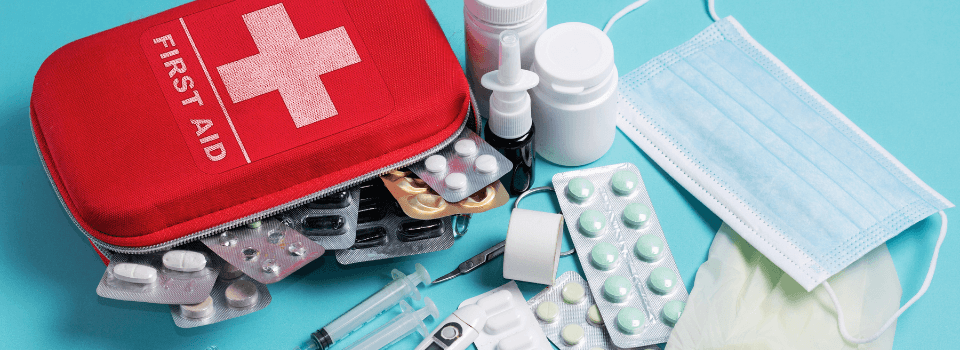
Having a first aid kit at home is like keeping a safety net for life’s little mishaps. Think of it as your go-to for any scrapes, cuts, or bruises that pop up unexpectedly – no last-minute dash to the pharmacy, no panicking. With the basics at hand, you’re all set to handle minor bumps and burns with way less stress.
Want a simple all-in-one solution that doesn’t force you to select each component individually? There are some excellent kits already containing all the essentials.
If you want to build your own, here is what you should include:
- Wound cleanser wipes – Quickly disinfect open wounds
- Antiseptic Solution – Disinfects wounds, preventing infection.
- Tweezers – Removes dirt, splinters, or debris from wounds.
- Steri-Strips – Closes small open wound edges for faster healing.
- Compresses – Covers larger wounds and helps with wound cleaning.
- Surgical Tape – Secures compresses and covers small cuts and cracks.
- Elastic Bandage – Stabilizes and supports injuries, such as sprains.
- Scissors – Cuts bandages or clothing if needed in emergencies.
- Styptic Agent – Quickly stops bleeding from cuts or nosebleeds.
- Burn Dressing – Cools and protects burn injuries.
- Eye Wash – Rinses and soothes eyes safely, avoiding irritation.
- Assorted plasters – Cover and protect wounds of different sizes.
Painkillers
- Paracetamol – for fever and pain.
- Ibuprofen or Naproxen – for fever, pain, and inflammation
For Colds or Flu
- Thermometer – Essential for reliably tracking fever
- Decongestant Nasal Spray – Helps open up blocked nasal passages, making breathing easier
- Sinus rinse – Gently rinses congested nasal passages
- Lozenges – Soothes a sore or scratchy throat; great for calming irritation.
- Throat spray – To treat a very sore and inflamed throat.
- Cough Suppressant – Reduces coughing to help you rest and recover more comfortably.
- Soft Tissues – Gentle on the nose, perfect for frequent use.
For Stomach Flu or Vomiting
- Oral Rehydration Solution – restores salt and fluid balance
- Loperamide Tablets – stops diarrhea
- Hand Sanitizer
- Surface Disinfectant – for the bathroom
Good to Have
- Activated Charcoal – for potential poisoning (always call Poison Control at 112 first)
- Numbing Cream – for wound cleaning, insect bites, etc.
- Hydrocortisone Cream – for itching, eczema, sunburn, after insect bites, etc.
- Blister Plasters
- Earplugs
- Cooling Pack in Freezer – for injuries and swelling
- Heating Pad – for sore muscles and joints
Runny Nose, Cough, and Sore Throat in Children
Heard of saline nasal rinse? It’s a real cold hero! Cleans and loosens stubborn mucus, making it easier to suction out with a nasal aspirator if you have a baby or child who can’t blow their nose yet.
- Nasal spray – To loosen mucus and hydrate the nasal passages.
- Nasal Aspirator – The “manual” version is cheaper, but in my experience it’s the fastest way to infect yourself with whatever is plaguing your little one, so you might want to consider getting the electric kind.
- Cough syrup – to calm down coughing.
- Lozenges and throat spray – to soothe a sore throat.
Fever in Children
A thermometer in your mini pharmacy helps you monitor your child’s temperature. For babies under 1, a rectal thermometer is the most accurate. An ear thermometer is convenient and effective for children over 1 year old. You can also get a cozy heating pad shaped like a toy, to help with the fever chills.
- Rectal Thermometer or Ear Thermometer – to reliably measure fever.
- Single-use thermometer cover – for hygiene
- Paracetamol suppositories 60mg, 125mg or 250mg – to reduce fever. Always follow the instructions on the packaging and dose adequately according to the child’s weight. For some reason the 125mg version is very often sold out, so make sure to stock up. If your baby is under 6 months of age, contact BVC for advice and support.
- Toy Girl or Boy Heating Pad – to give comfort during fever.
- Smoothie or oatmeal baggies – when small children have a fever, they often avoid eating. These fruit and oatmeal smoothies can be easier to get down, and at least they’re getting a bit of nutrition during the worst days.
Stomach Ache in Children
When a child has a tummy ache, everything is put on hold. It doesn’t help that they often can’t explain what’s wrong. Thankfully, there’s relief! Tummy drops can soothe babies’ and children’s stomachs, and a venting tube can help your baby release uncomfortable gas.
There are also products for diarrhea and constipation that are useful to have in the mini pharmacy (but always check the age limit on the package). Remember to have oral rehydration solution at home too, as vomiting and diarrhea can lead to fluid loss.
- Tummy Drops – to restore a healthy intestinal flora, safe for babies.
- Venting Tube – for relieving gas
- Dimexanol – stops diarrhea in children
- DulcoSoft – relieves constipation in children
- Oral Rehydration Solution for Children – to reintegrate minerals and fluids.
- Single-use Bed Mats – to protect the mattress in case of sudden sickness or leaks.
- Sick bags
What about antibiotics?
It is notoriously difficult to get antibiotics in Sweden, and only with a doctor’s prescription. You can find a more detailed guide on how to buy prescription medicines here.
Do you have pets?
Then it is best to have a dedicated first aid kit for them! You can find a great one here.
That’s a wrap on how to properly stock your medicine cabinet before the cold season. Did we forget anything? Do you have any advice, tips, or tricks to share with the community? Let us know in the comments!

Written by
The Career Sweden Team brings together experts in recruitment, communication, and relocation, all working toward one goal: helping international talents find their place in Sweden. We create clear, reliable guides and articles about Sweden’s job market, recruitment, and work culture — as well as practical, fact-based resources on everything that shapes life and career here.