January
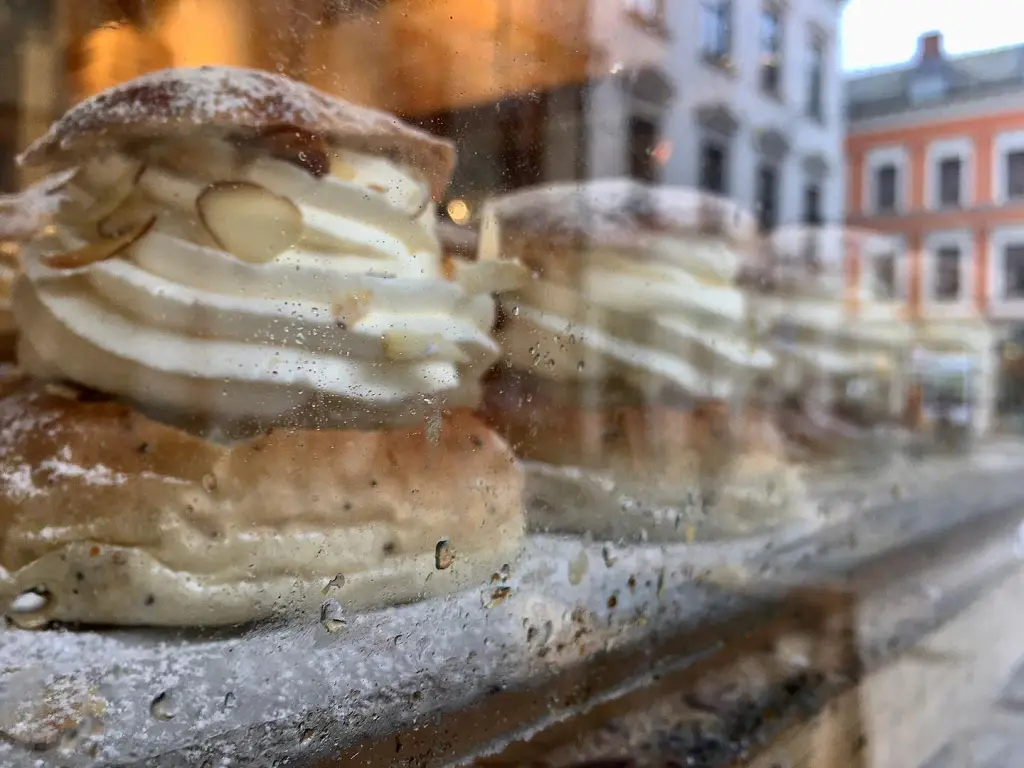
The period between Christmas and Easter is the time for semla. This is one of the most famous Swedish pastries. A wheat bun flavoured with cardamom and filled with almond paste and whipped cream was originally eaten only on Shrove Tuesday (the day before Ash Wednesday) as the last festive food before Lent. However, as Swedes stopped observing strict fasting during Lent, semlor are now available in shops and bakeries every day from shortly after Christmas until Easter.
February
You can still easily find semla in February because Shrove Tuesday usually falls in either February or March, but this month also has another special day. February 3 is Carrot Cake Day.
March
In March, you have at least two special treats: Punschrullens dag (Punch Roll Day) on March 7 and Våffeldagen (Waffle Day) on March 25. Punschrulle is also called dammsugare, which means vacuum cleaner, due to its resemblance to the shape of vacuum cleaners common in the 1920s. This pastry is easy to find in any confectionery and is traditionally coloured green with chocolate coating on both ends.
As for Waffle Day, it is believed that it originates from a mispronunciation of a religious spring day. Instead of “spring day”, a linguistic mix-up occurred and people began to say “waffle day”. As a result, the tradition of eating waffles with cream and jam emerged on March 25.
April
Sadly, there is no cake-related day this month. Or do you know any?
May
The first of May is Budapestbakelsens dag, or Budapest Cake Day. The Budapest cake consists of a meringue base with hazelnuts, a cream filling with mandarins, and is decorated with chocolate. It is a classic Swedish pastry created by a pastry chef named Ingvar Strid. According to stories, Ingvar travelled extensively and had a love for Budapest and Hungary, which inspired him to name the pastry after the city.
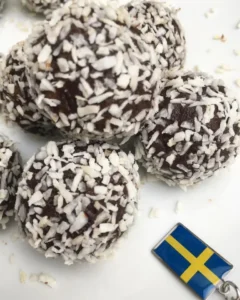
In addition to Budapestbakelsens dag, May also includes Chokladbollens dag (May 11), Kardemummabullens dag (May 15) – Swedish Cardamom Bun Day (find the best recipe here) and Muffindagen (May 27). The chocolate ball is a very popular snack in Sweden, so it deserves its own special day. Although muffins are not traditionally Swedish, they have been given a themed day as well. Another great reason to celebrate for someone with a sweet tooth like me.
June
June in Sweden starts with National Day at the beginning of the month and Midsummer at the end, and there are special cakes for both occasions. The pastry for National Day on June 6 is the Nationaldagsbakelsen, a pastry with a mazarin base topped with strawberries, a hint of lemon and a Swedish flag. This pastry was created by Helena Bergsmark of Café Gateau in Stockholm and was the winner of the 1994 national pastry competition organised by Fruktrådet (the Fruit Council).
As for Midsummer, the celebration is not complete without a midsummer strawberry cake, or midsommartårta.
July
There is no specific cake or pastry to celebrate in July. However, if you were born in this month, you have an excuse to eat a Swedish princess cake (prinsesstårta), as it is the traditional birthday cake in Sweden. This is yet another famous Swedish pastry. This dome-shaped cake features a sponge base topped with vanilla custard and whipped cream, coated with a smooth layer of green marzipan and decorated with a pink marzipan rose. Pretty, like a princess.
Another cake commonly eaten on birthdays, especially in the Skåne region, is spettekaka, an old-fashioned spit cake made from potato flour. Feel free to choose whichever cake you like, or why not have both? It is your birthday, after all.
August
August 9 is Rulltårtans dag, or Rolled Cake Day. As Budapest cake is my favourite and it is a type of roll cake, I think I will eat this cake on August 9 as well.
September
Once again, there is no pastry-related day this month. However, the last week of September is dedicated to prinsesstårta. So even if your birthday is not in September, you still have an excuse to eat this beautiful cake.
October
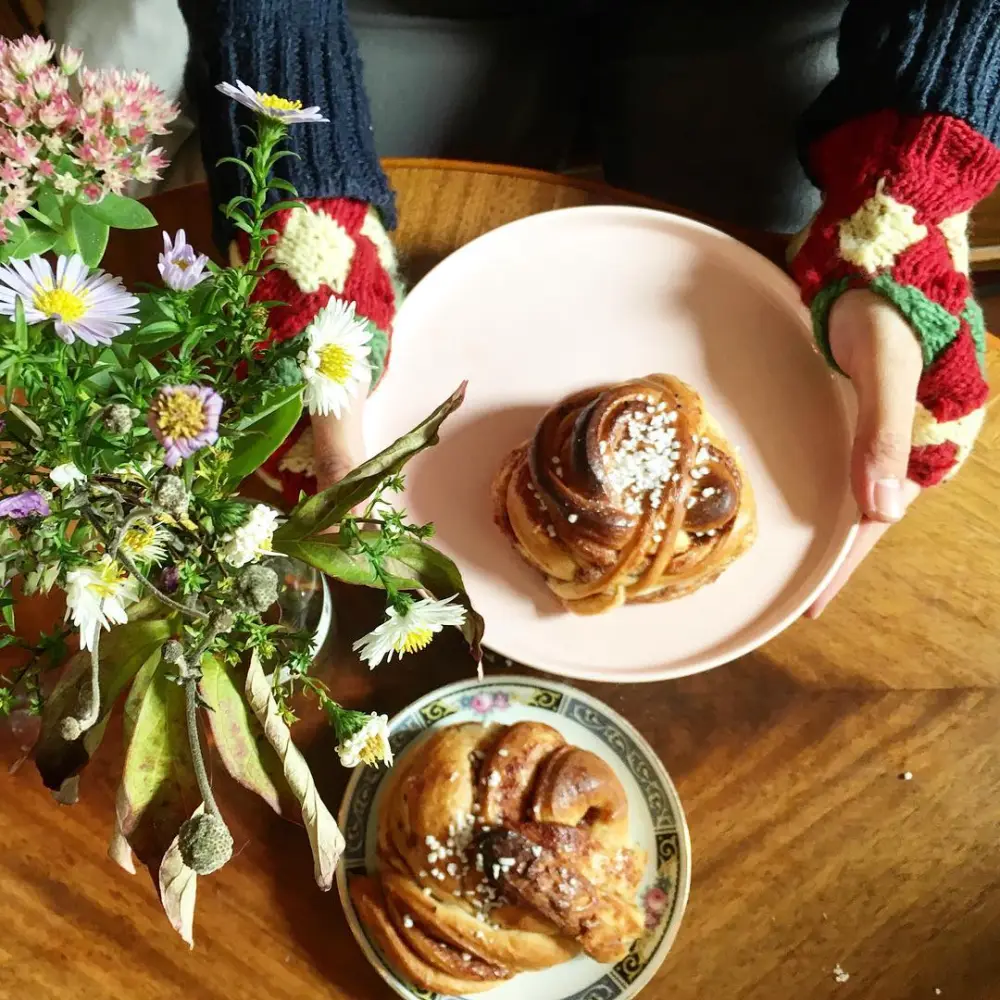
The Swedish cinnamon roll – kanelbulle – is probably the most famous pastry and the most commonly eaten fikabrödin Sweden. People eat kanelbulle all year round, but the official day to celebrate this sweet bun is October 4.
Two days later, on October 6, it is time to celebrate another cake. This is Gräddtårtans dag, the day of the cream layer cake.
November
November is the month with the most sweet treats to celebrate. Perhaps this is because November in Sweden is so gloomy that people need more sugar to keep their spirits up 😀. It starts on November 6 with Gustav Adolfsbakelsens dag and continues the very next day, November 7, with Kladdkakans dag, the day of Swedish mud cake. This is followed by Chokladens dag, or Chocolate Day, on November 11, and Ostkakans dag, or Cheesecake Day, on November 14. Last but not least comes Wienerbrödets dag, or Wiener bread day, on November 22. What a special month indeed.
December
December 9 is Pepparkakans dag, the day of gingerbread. These cookies are baked and eaten all year round, but they gain most of their popularity around Christmas time, so it makes sense to have a designated day during this month.
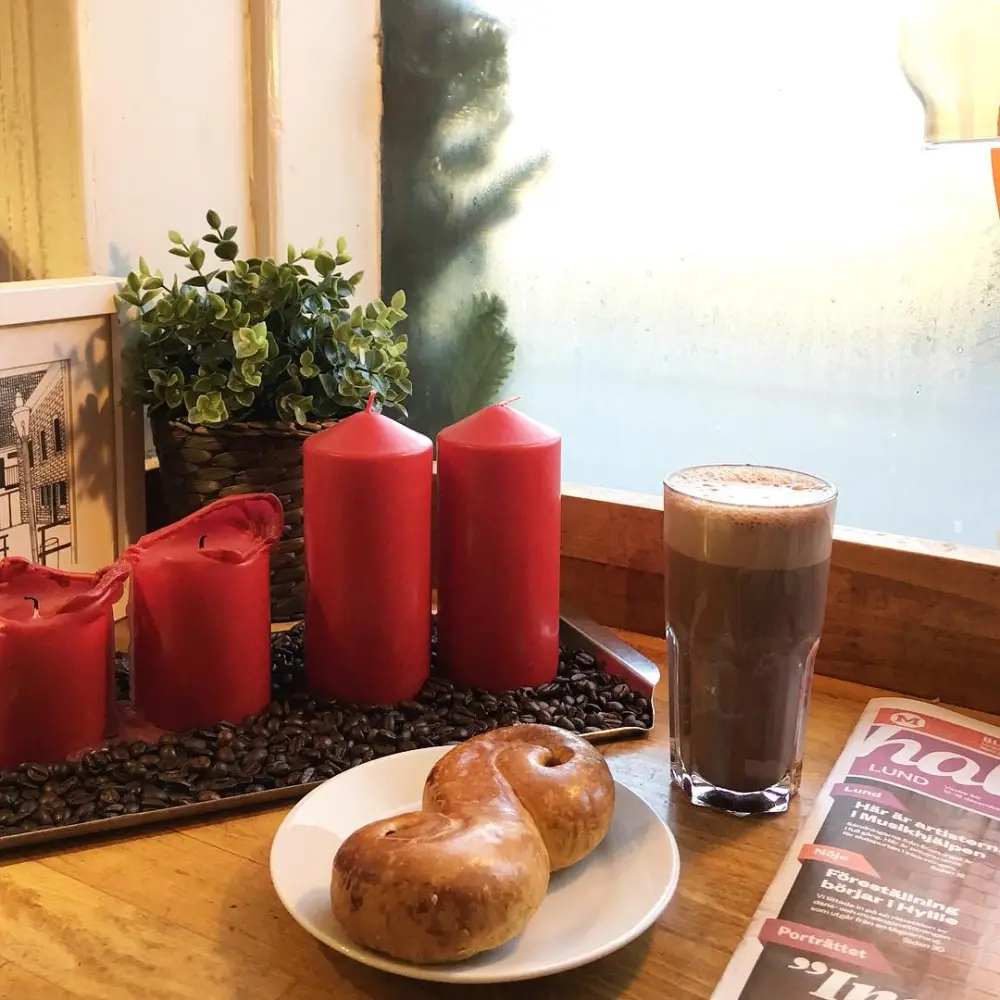
December is also the month of lussekatter, or Lucia saffron buns, which are traditionally eaten on Lucia Day (December 13). Finally, a week before Christmas, on December 18, it is Kakans dag, the Day of Cakes. I assume this means we can eat any cake we like on this day.