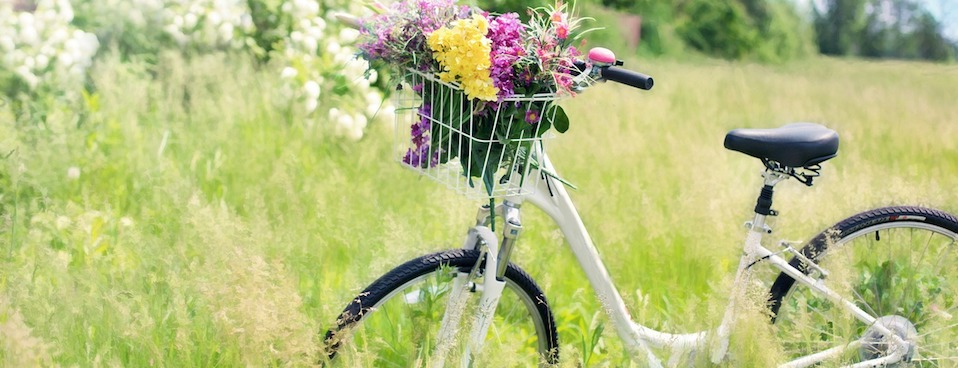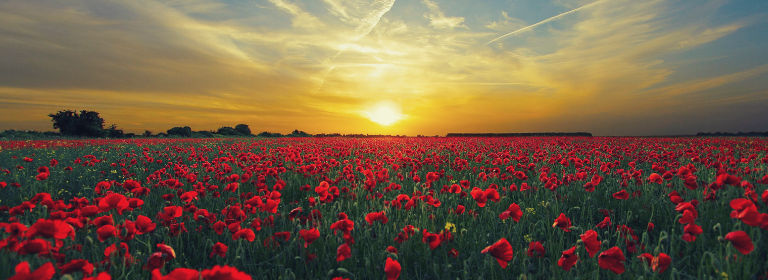
Swedish summertime is finally here; everyone is out and making the most of it. And what a contrast from the winter. Sweden really is a country transformed by summer.
The landscape in Sweden is utterly unrecognisable come summertime. From a palette of whites and greys to the deepest shades of blues and greens. Our daylight hours have stretched from just three hours and forty-five minutes to a whopping twenty-one hours and forty-three minutes. Life is completely different in the summer compared to the winter.
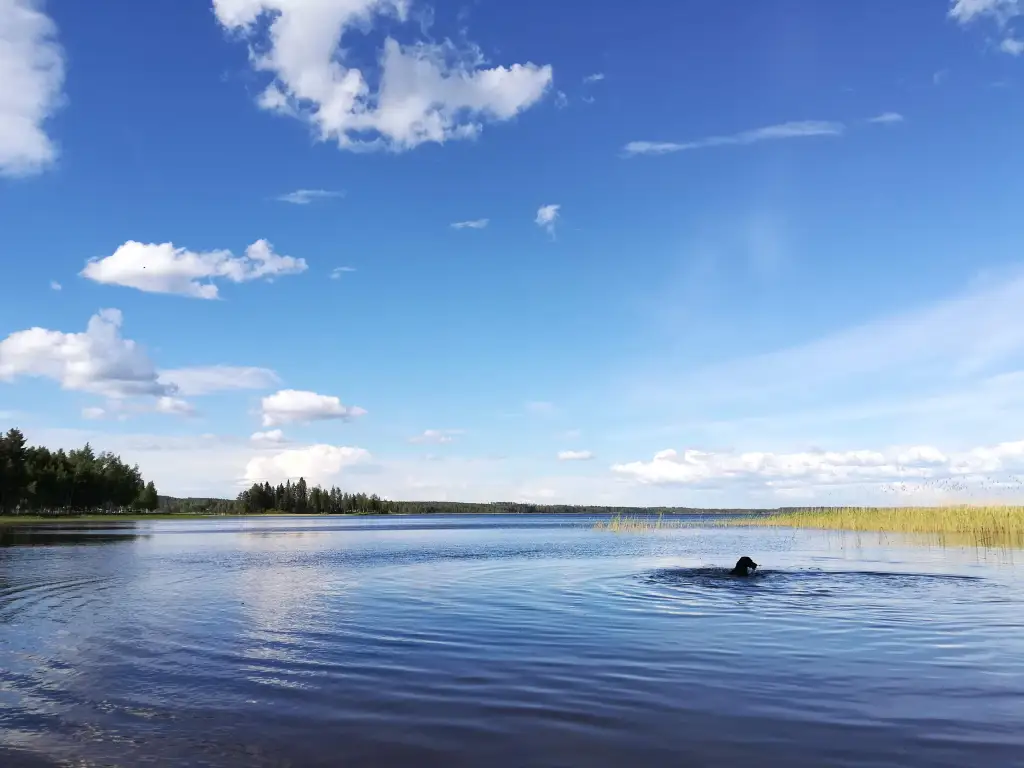
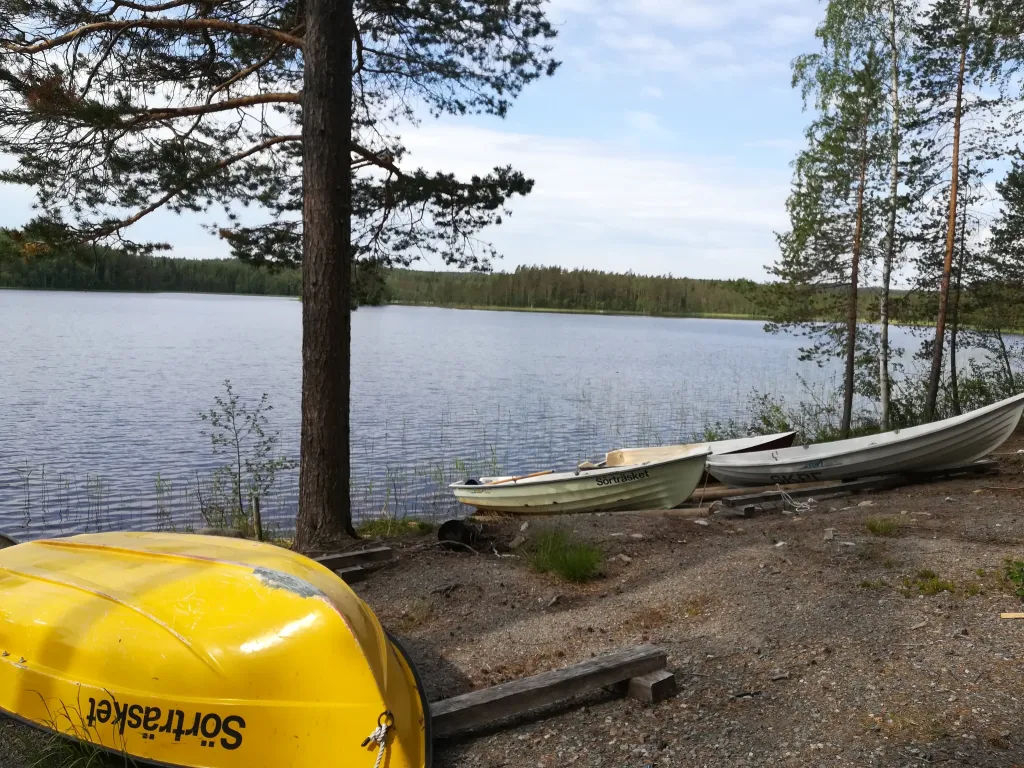
No longer frozen, the lakes are an ideal place for swimming and recreation.
A seasonal experience
As an immigrant moving to Sweden, the time of year you arrive may set the tone for your new life and the expectations you have of this new place. From the fairy-tale frozen winters with twinkling stars and snow-covered trees to the magical, never-ending days filled with picnics, wildflowers and exploration. But it’s not just the scenery that changes.
The seasons affect us: what we eat, how we dress and where we go. And nowhere is this more prominent than in a country with such cold, dark winters and bright, warm summers. If you arrived in Sweden in the winter, you may have noticed the Swedish “uniform” of black. Some say Swedes wear so much black to mourn the loss of being able to feel their extremities. Either way, it may come as a surprise to see colourful wardrobes appear come summertime.
A change of attitudes
There are many wonderful aspects of winter. Those who aren’t put off by sub-zero temperatures and short, dark days may relish the chance to cosy up indoors and practise some hygge. That’s how Swedes survive the winters, and they certainly know what they’re doing. However, while everyone is tucked up inside, it can be difficult to make friends and meet new people as a newcomer.
Pass someone you know in town? It’s hardly a good idea to stop and chat if it’s snowing and minus twenty degrees.
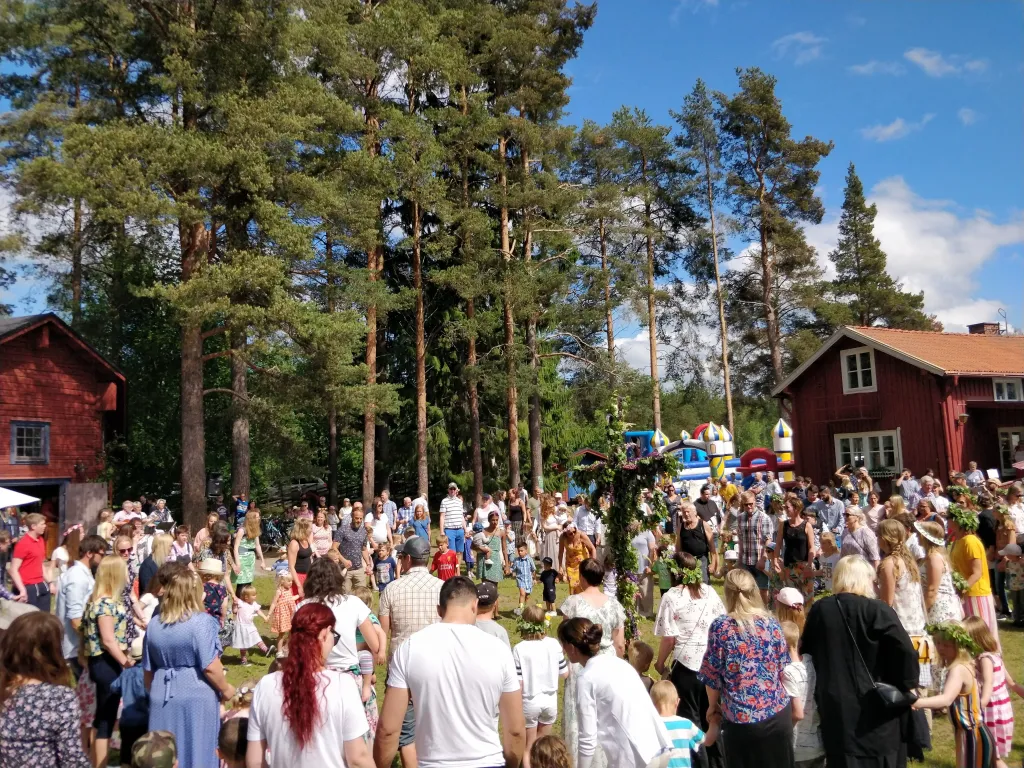
Winter celebrations provide a welcome respite from the darkness. Most of these events are reserved for spending time with family, such as Christmas and Sankta Lucia. By contrast, the long, warm summer days are spent eating, drinking and exploring with friends. The previously reserved Swedes take on a whole new persona come summer. Those frosty winter encounters on the streets turn into hugs and laughter. Invitations to people’s summer houses and trips to the countryside are paired with drinking snaps and skinny-dipping in lakes.
Why it happens
Maslow’s hierarchy of needs provides a useful explanation for these behaviours. Put simply, we need to fulfil each level, working from the bottom, before we are able to progress to the next.
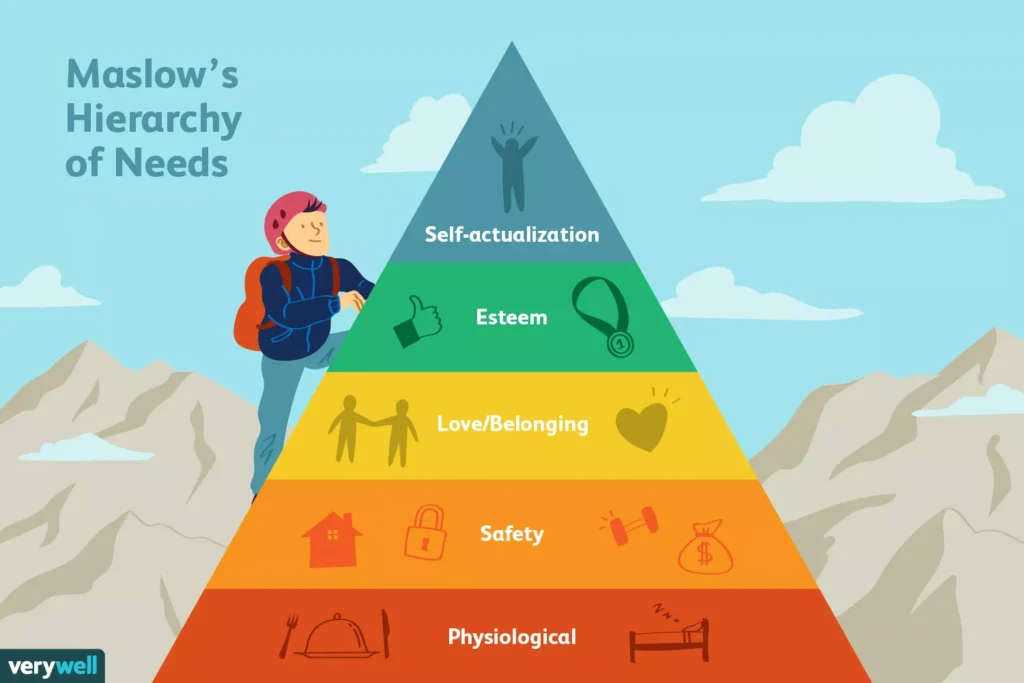
Therefore, if winter evenings are gloomy and freezing cold, you may find that your physiological needs become your main focus. I certainly crave warming stews and nights in front of the fire. Only once we have moved through the levels of basic survival — needing food, shelter and sleep (of which we tend to get plenty in winter) — are we able to progress towards the higher levels.
And so, we can only be creative, spontaneous and carefree when we reach self-actualisation. Summers in Sweden are filled with such moments: growing smultron, collecting wildflowers and rowing on the lake.
What it all really means
The weather in Sweden is reflected in the culture. Swedes have a wonderful way of not just surviving extreme seasonal changes, but of making the most of every opportunity. Take time in winter to light candles and bake aromatic pepparkakor. Or hibernate in a cosy sweater with the ones you love — what else is there to do? And make hay (or, more likely, flower crowns) while the sun is shining.
Whenever you became — or plan on becoming — a newcomer to Sweden, take a leaf out of the Swedes’ book and embrace the season and the changes it will bring.