


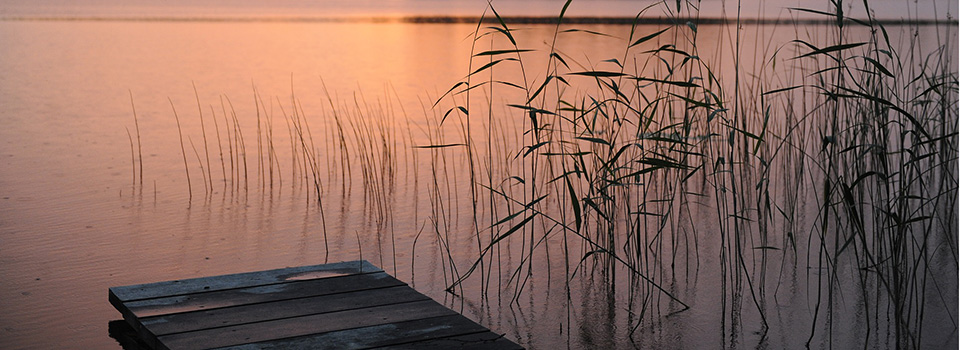
People from all over the world have a special vision of Sweden: untouched nature for miles and miles. A vision of forests and mountains, meadows and fields. The picturesque scenery reminiscent of Astrid Lindgren’s illustrations has made an impression that both lasts in the memory and influences life. While Lindgren herself shaped an idyllic image of Sweden, Berthold Franke—a German journalist—got to the very heart of it: (a) by naming it ‘Bullerby Syndrome’, referring to the fictitious Bullerbyn, the peaceful village in Lindgren stories, and (b) by connecting it to German imaginations. This vision of the Swedish lifestyle has spread over time, and its impact is still much alive ever since.

Germany found its Bullerby
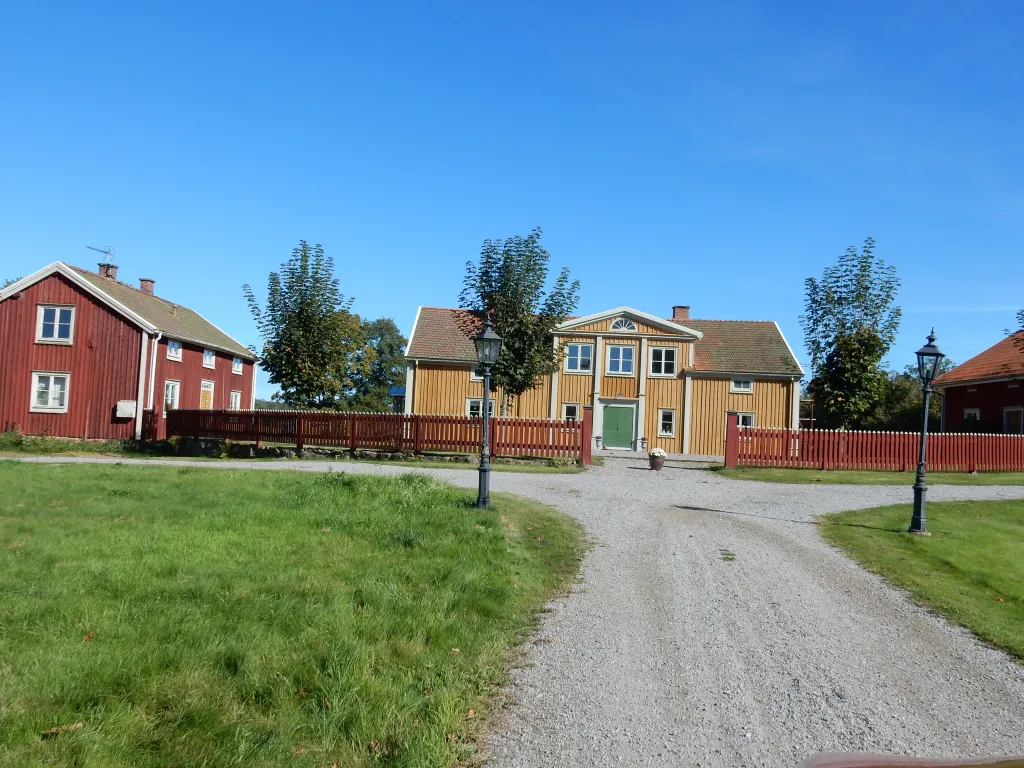
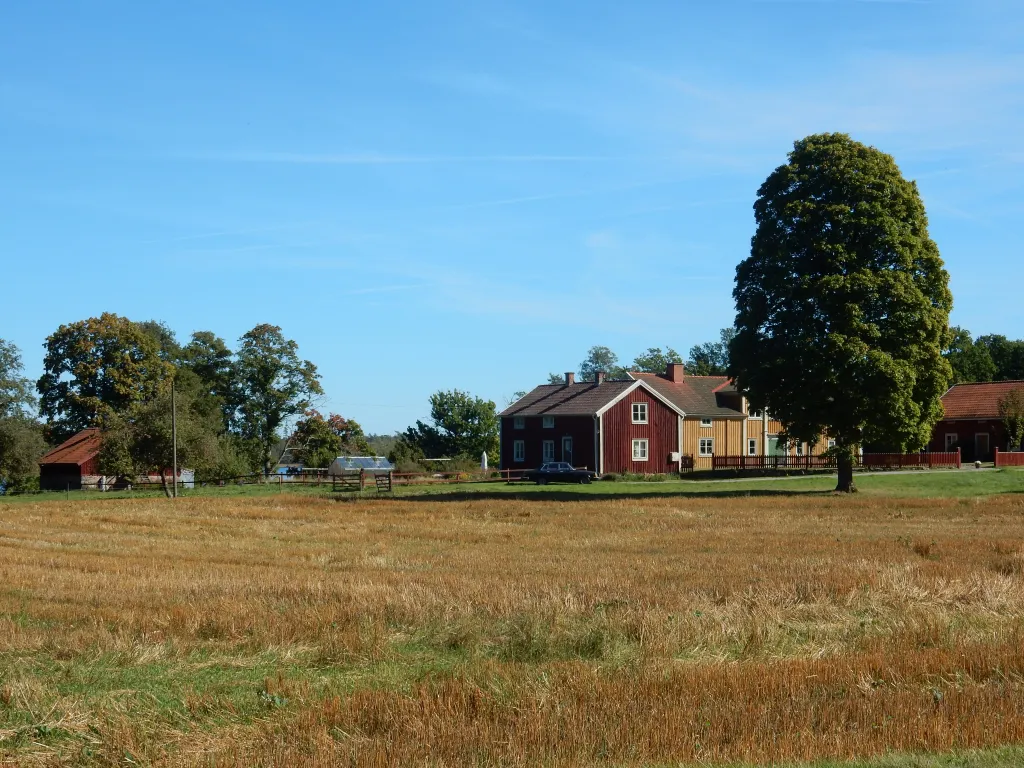
In his article ‘Tyskarna har hittat sin Bullerbü’, Franke presents his theory about the idealisation of Sweden. An idealisation that occurs in Germany and is based on positive stereotypes. Germany indeed has a vision of beautiful wooden houses, clear lakes and midsommar sunshine. These ideas have created a long-lasting image of a perfect Medelsvensson’s (Swedish average person) life. Having kaffe and kanelbulle for fika while listening to ABBA and sitting in an IKEA chair. Not worrying about anything but enjoying almost everything. While the tourism industry and the media adapted to this desire quite fast, the ‘proper’ notion of it was somehow left behind.
Sweden became a Storbullerby
Sweden is the incarnation of life’s perfection: a balanced life and beautiful nature. As Lindgren’s stories roots in every child becoming an adult, her literary images live on. They live in almost every German, either openly visible or hidden deep inside. People started (and kept on) visiting Sweden for vacations and, at some point, even decided to move abroad. Germany loves its Bullerby, and, thus, also Sweden. However, ‘Storbullerby’ is a utopia and German imaginations resemble a great dream.
So what do we imagine?
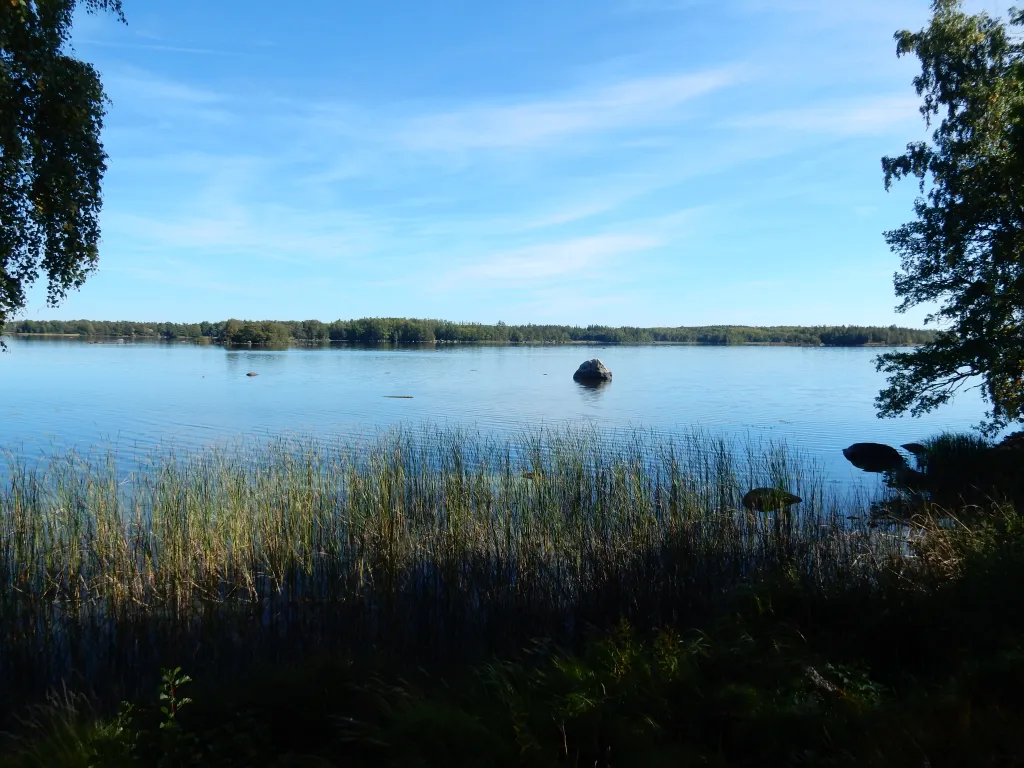
The odd love for Sweden is based on the desire to escape, from unbearable workloads and resentful sentiments. Sweden might be that very ‘alternative world’, with untouched nature and smiling faces. However, this world does fully exist nor need to be real. Especially the worshiped landscape in Sweden has sometimes been replaced by big cities. Most of the red wooden houses are now reconstructed as ‘summarstugor’, so they are not home to cliché Swedish families. The key visuals of German imagination—dream mansions at blue lakes—seem to change or even disappear. It is what they wish it would be but not always what it is.
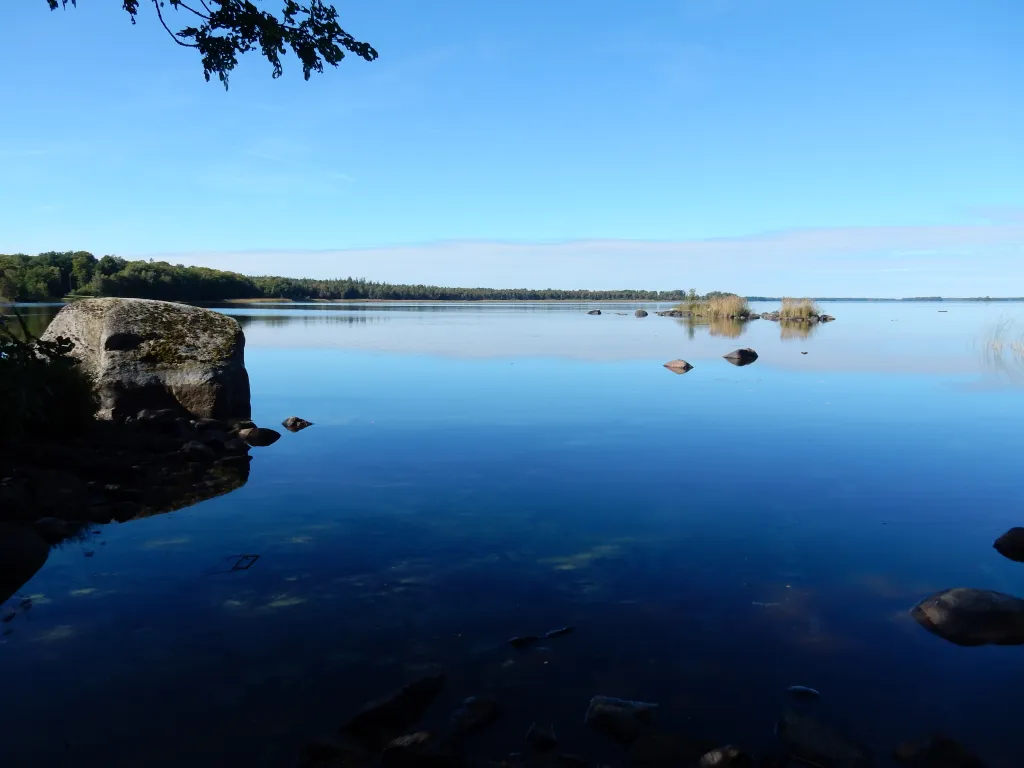
A place to escape
Although Germany idealises Sweden a lot, Sweden does have its impact: its advantages and pleasures. However, Germany stays busy admiring Sweden’s educational programs and organisation while ignoring if there are any downsides altogether. Swedish reality—both present and past—is not even considered when imagining a Swedish paradise.
While German history is spoiled by World War II (and I), the Swedish one remains both clear and clean. Swedish emigration in the late 19th and early 20th century is almost forgotten, and German immigration—in contrast—gets emphasised. German present is somehow addled with bitterness and spite, while the Swedish one is idyllic. This increases dissatisfaction and can push people to move abroad.
We see it like heaven
Germany loves Sweden’s nature and the Swedish way of life. However, it does also take historical, industrial and socio-political progress into account. We admire family bonds, respect for each other, education for everyone and its environment. As such, the perception of both Germany and Sweden is based on the last hundred years of national and international history that still controls the present and future. Sweden became both an idol to follow but also a counterpart to match.
So is it love or is it envy?
It is love, and that is for sure. Although Swedish life seemed to be sugar-coated and ironed out, it shows off reality. A reality that Germany lost quite some time ago: the balanced way of life. A life that maybe indeed deserves fika three times a day.
Actually, the Bullerby-Syndrome might work in the very same way as love does. Just as rose-coloured glasses of fresh love might overlook dislikes, admiration for Sweden often does the same. The time will only increase this love, for its pureness in good and bad. The Bullerby Syndrome is so symbolic of German desires as no other feeling ever known. Would the Bullerby-Syndrome continue to be alive and present for future generations? What do you think?



3 responses to “Bullerby Syndrome: about German love for Swedish life”
Hi Lara,
well written! And it brings back memories of a wonderful holiday in Sweden some time ago. Your story makes me feel like going back again. I am looking forward to reading more! So enjoy Sweden and share your experiences!
It’s great that derelict cottages and abandoned houses are being renovated and sold to germans and other nationalities. There aren’t enough swedes to care for them otherwise. They peacefully invade our brief summers and gratefully contribute to liven things up a bit in slowly dying villages and a vast countryside. More germans and other europeans to Sweden, please!
very nice article. The reader feels that the author loves this country.